
Something strange is happening in a sport that normally sleeps through late August. Extensions are getting signed at a clip nobody expected, negotiations that looked frozen are suddenly urgent, and agents who spent July playing for leverage are taking meetings in the last week of summer. There is a reason, and it is not the calendar turning toward camp. It is a single date in the new collective agreement that quietly reprices every long-term deal in the league, and after it passes, the eight-year contract stops existing.
| Signed by September 15 | Signed after September 15 | The effect |
|---|---|---|
| Eight years with your own club | Seven years with your own club | One year of security disappears |
| Seven years elsewhere | Six years elsewhere | Free agent deals shorten too |
| Max-term deals still available | Max term permanently reduced | A one-time window closes |
Read that table as a deadline rather than a rule change, because that is how every front office is treating it. Until September 15, a club can still hand its own player an eight-year extension. On September 16 the ceiling drops to seven, and for players signing elsewhere it falls to six. The change is permanent, it applies to every negotiation in the sport, and it has turned the sleepiest three weeks on the hockey calendar into a deadline market.
Why an extra year is worth so much
To a casual reader, one year of term sounds like a rounding error. To the people negotiating, it is the whole ballgame. For a player, the eighth year is the difference between guaranteed money into his late thirties and one more trip through free agency at an age when teams stop paying. For a club, that same year lets it average a huge salary across a longer horizon, lowering the annual cap hit and buying the entire prime of a young star. Term is the cheapest currency in these talks, and it is about to get more expensive for everyone.
The rush this explains
Suddenly the last month makes sense. The flurry of extensions that read like ordinary business, from role players to franchise pieces, is a market clearing itself before a door shuts, and the eight-year deals being signed right now are the last of their kind. It also explains something subtler: clubs are dangling that eighth year as a bargaining chip, telling players they can have the extra security only if the deal gets done in August. That is real leverage, and it expires with the date.
What it means for the frozen negotiations
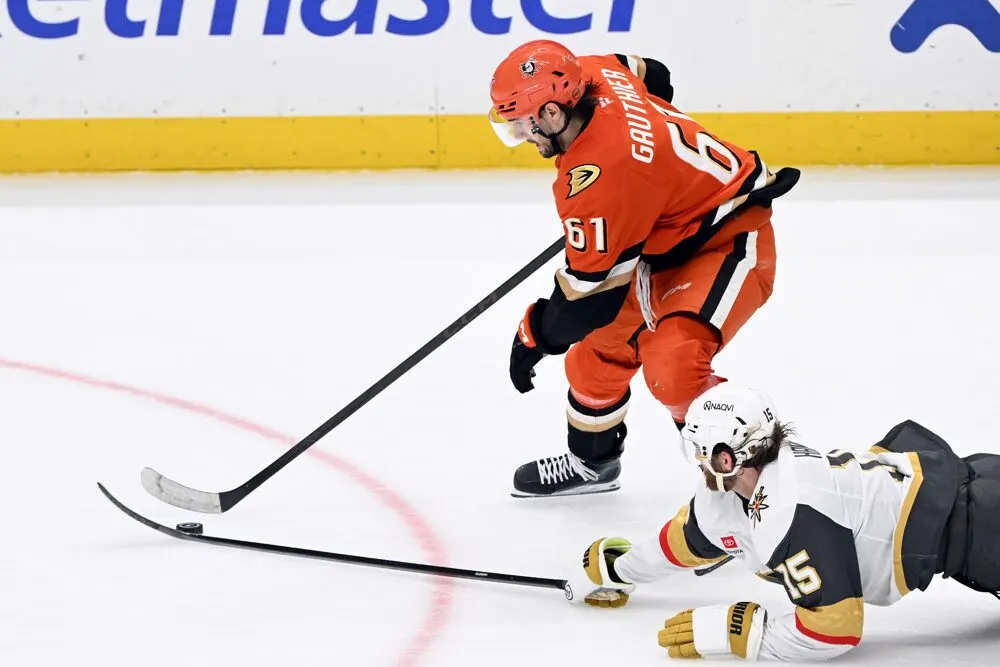
The most interesting effect is on the standoffs. Cutter Gauthier and Adam Fantilli remain unsigned, the two headline restricted free agents in a summer when the market reset around Macklin Celebrini and Leo Carlsson. Both clubs would love the security of maximum term on a young centre or a 40-goal winger. Both players may prefer a shorter bridge into a rising cap. The deadline forces that argument to a head: if the sides want an eight-year structure at all, they have days, not months, and after that the negotiation changes shape entirely.
The 2027 free agents feel it differently
For next summer's class the calculation inverts. Cale Makar and Quinn Hughes are the two best offensive defencemen alive and both reach unrestricted free agency next July, into a world where their new clubs can offer only six years and their current clubs seven. Shorter maximum term means higher annual salaries, because the total a player commands gets compressed into fewer seasons, and it means stars hit the market more often across a career. The cap hits everyone fears are about to be pushed up by the very rule designed to shorten commitments.
The honest counter
It is worth resisting the urge to treat this as a catastrophe for anyone. Shorter deals are, in many ways, healthier for the sport: fewer albatross contracts strangling teams into a player's late thirties, more roster flexibility, fewer buyouts. The clubs complaining loudest about losing the eighth year are often the ones who would have regretted using it, and history is unkind to teams that bet a decade on a player's body. The deadline creates urgency, but the rule behind it may quietly improve roster construction across the league.
What to watch in the next three weeks
Between now and September 15, watch for three things. Deals that appear suddenly and look overly generous in term, because clubs are buying the last eight-year windows available. Standoffs that break in a hurry, because the option to structure long is about to vanish. And silence from the teams that have decided the cliff does not matter to them, which is itself information about how they value their own players. The signings between now and then will look like ordinary August business and will actually be the league racing a clock.
The knock-on effects nobody has priced
The second-order consequences are where this gets genuinely interesting, because a term limit does not reduce what players earn; it changes the shape of it. A star who would have signed for eight years now signs for seven at a higher annual number, because the total value he commands gets compressed into fewer seasons. That means higher cap hits across the league, which in a system with a hard ceiling means less money available for everyone else on the roster. The rule intended to protect teams from long commitments will, in practice, squeeze their depth.
It also changes how often the best players reach the market. Shorter maximum terms mean more frequent negotiations, more free agent classes with genuine stars in them, and more opportunities for wealthy, desirable destinations to poach talent. Small-market clubs relied on that eighth year as a retention tool, the extra security that persuaded a player to commit rather than test the waters. Removing it tilts the field, subtly but permanently, toward the teams players want to join anyway.
Then there is the trade market. Long contracts have always been movable assets in the right circumstances, and a seven-year deal signed at a higher cap hit is a harder thing to relocate than an eight-year deal at a lower one. Expect more no-trade and no-movement clauses as compensation for the lost year, and expect the retention mechanics that already complicate deadline deals to become even more central. Every contract signed after September 15 is a slightly less liquid asset than its predecessor.
The clubs that will handle this best are the ones treating it as a permanent change in roster-building rather than a deadline to beat. Identify your genuine long-term players now, commit to them while the eighth year exists, and accept that everyone signed afterward comes on shorter, pricier terms that require more active management. The ones that will struggle are the clubs racing to hand out eight-year deals this month simply because the option is expiring, which is how teams end up regretting term they never needed in the first place.
Where this lands
Rule changes rarely make headlines, and this one has spent the summer buried under trade rumors and preview lists while quietly shaping every negotiation in hockey. The eight-year contract is about to become a historical artifact, the deals signed in the next three weeks are the last of a species, and the standoffs that do not resolve by then will be conducted under permanently different math. Nobody is going to lead a broadcast with a date on a calendar. But when the next decade of contracts gets written, September 15, 2026 is the line everything is measured against.